← STORIES · SUSTAINABILITY · 5 MIN
Sustainable Practices for Modern Festivals: The Science of Green Events
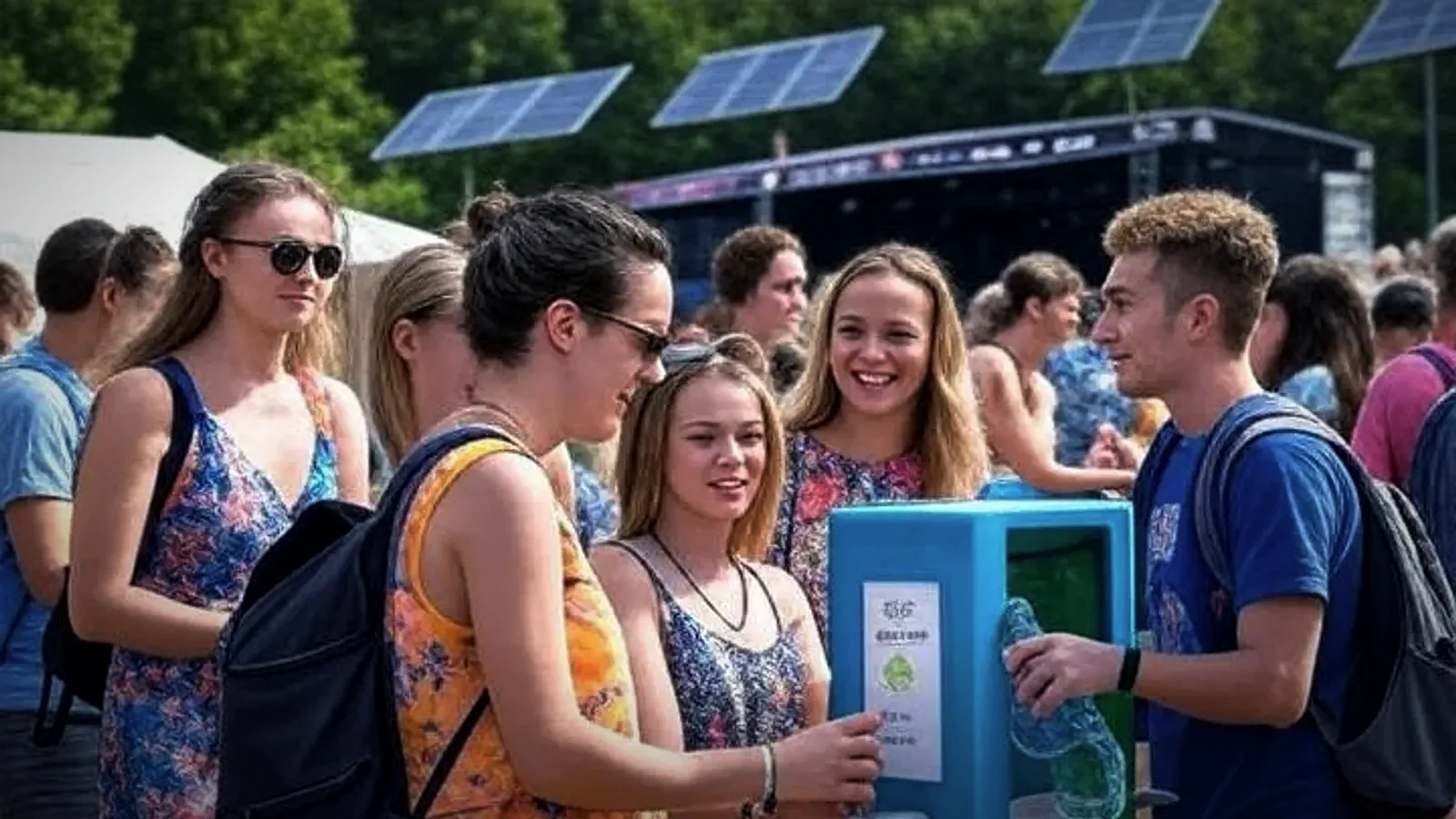
Glastonbury says more than one million plastic bottles were sold at its 2017 festival. Organizers stopped selling single-use plastic drinks bottles on site in 2019 and expanded free refill options. The environmental footprint of festivals remains a paradox: celebrations of art and community can also put heavy pressure on the places that host them.
The Psychology of Sustainable Experiences
Visible, well-explained sustainability measures can give attendees a practical role in reducing waste. The strongest programs make the desired action easy: provide refill points, place clearly labeled waste stations where people need them, and explain what happens to collected material.
It is not just about reducing harm. It is about making attendees active participants in a temporary community that takes responsibility for its footprint.
Waste Reduction: From Burden to Breakthrough
Some events are treating waste as a design problem: reduce single-use materials at procurement, standardize what vendors can serve, and sort waste on site.
Digital maps can support that work by making water refill points and waste stations easier to find. They do not replace an event-wide waste plan, but they can close a simple information gap for attendees.
Energy Innovation: The Power Shift
Stages, lighting, catering, refrigeration and temporary infrastructure all require energy. Measuring that demand, reducing unnecessary loads and choosing lower-carbon power sources are concrete steps organizers can evaluate.
Visible infrastructure such as solar generation can also make an event's environmental commitments tangible, provided the claims are backed by measured energy data.
Transportation: Rethinking the Journey
Attendee travel can be one of an event's largest sources of emissions. Useful interventions depend on the venue, but may include clear public-transit information, shuttles from transport hubs, safe walking routes and incentives for shared travel.
FindTribe does not currently offer carpooling. A digital event guide can still make official transport options and pickup points easier to find.
Food Systems: The Overlooked Impact
Food choices, packaging, refrigeration and waste all carry environmental costs. Organizers can work with vendors on plant-forward menus, reusable or compostable serviceware, donation plans and measured waste reduction.
Food is also part of the event experience. Making sustainable options appealing and easy to locate is more useful than treating them as a separate, worthy-but-inconvenient category.
Water Conservation: Beyond the Basics
Water demand includes drinking, sanitation, cleaning and dust control. Refill stations, leak monitoring and—where local rules and infrastructure allow—careful reuse of non-potable water can reduce waste.
Mapping refill stations helps attendees find water without relying on single-use bottles. It is a small example of sustainability and wayfinding reinforcing each other.
The Future: Data-Driven Sustainability
Measured attendance, weather, waste and energy data can help organizers plan resources more accurately. Any use of attendee movement data should be opt-in, aggregated and governed by a clear privacy policy.
Used responsibly, those measurements could inform waste-station placement, cleaning schedules and transport operations. The value comes from verified outcomes, not from calling every dashboard “AI.”
The Sustainable Festival Experience
What makes the research on sustainable festivals so compelling is that environmental responsibility and attendee experience aren't competing priorities—they're complementary forces. When implemented thoughtfully, sustainable practices don't just reduce ecological impact; they create more meaningful, distinctive, and memorable events.
At FindTribe, we're fascinated by this intersection of sustainability, technology, and human experience. While our primary focus remains on helping people connect with friends and family at events, we're proud that our digital tools can contribute to the broader sustainability ecosystem of modern festivals. Our interactive maps highlight recycling station locations throughout event grounds, making it easier for attendees to locate proper waste disposal areas and encouraging responsible waste management.
By helping attendees navigate more efficiently to these sustainability resources, we're playing our small part in the green festival revolution. We're also eager to discover new ways our technology can support sustainable event practices in the future—because we believe that extraordinary events are those that respect both their attendees and the environment.