/GUIDE — BLUETOOTH MESH VS LORA
Bluetooth or LoRa?
Crowd or distance.
Bluetooth mesh relays messages between nearby phones with no extra hardware, so it works best where many people are close together, like a festival crowd. LoRa is a long-range, low-power radio that can link two small pods a few miles apart in open terrain, but every person needs a pod. Use Bluetooth mesh for dense crowds, LoRa for distance, and an app that can use both, such as FindTribe, when you do not know which situation you will be in.
The short version
Two radios, two strengths.
Bluetooth Low Energy is in every modern phone and is designed for low-power, short-range links. A mesh app turns each participating phone into a relay, so a message can hop across a crowd. Reach depends on how many phones running the app are in range along the way.
LoRa trades speed for range. It moves small amounts of data, like short texts and coordinates, much farther than Bluetooth. Because phones do not include a LoRa radio, each person pairs a small pod with their phone.
| Feature | Bluetooth mesh | LoRa |
|---|---|---|
| Extra hardware | None, uses the phone | A pod per person, paired over Bluetooth |
| Reach per link | Nearby phones; range varies with the phone and the crowd | Often a few miles in favorable open conditions |
| How it goes farther | More participating phones form more hops | Direct links today; repeaters extend coverage |
| Best place | Dense crowds: festivals, stadiums, campuses | Spread-out groups: campgrounds, trails, large sites |
| Data | Short messages and locations | Short messages and locations, slower |
| Weak spot | Empty areas with few phones | Everyone needs a pod; buildings and terrain cut range |
LoRa projects
Meshtastic and MeshCore.
Meshtastic and MeshCore are open-source LoRa mesh projects. Meshtastic is a widely used community network, popular with hikers, preppers and gatherings such as Burning Man, where every radio can repeat. MeshCore separates personal companion pods from dedicated repeaters and publishes a companion protocol for controlling a pod from a phone app.
FindTribe builds its long-range path on MeshCore because that split fits its plan: stock companion pods that pair with the app now, and intentionally placed repeaters later. FindTribe uses MeshCore as a carrier for sealed FindTribe traffic; it does not make you visible in public MeshCore chats. The Mesh page explains the decision in full.
If you want to join a public hobbyist radio network and tinker with settings, Meshtastic is a great choice. If you want friends who are not radio enthusiasts to get long-range messages inside a festival app, a FindTribe pod is the simpler path.
How FindTribe combines them
Send once. The app picks the path.
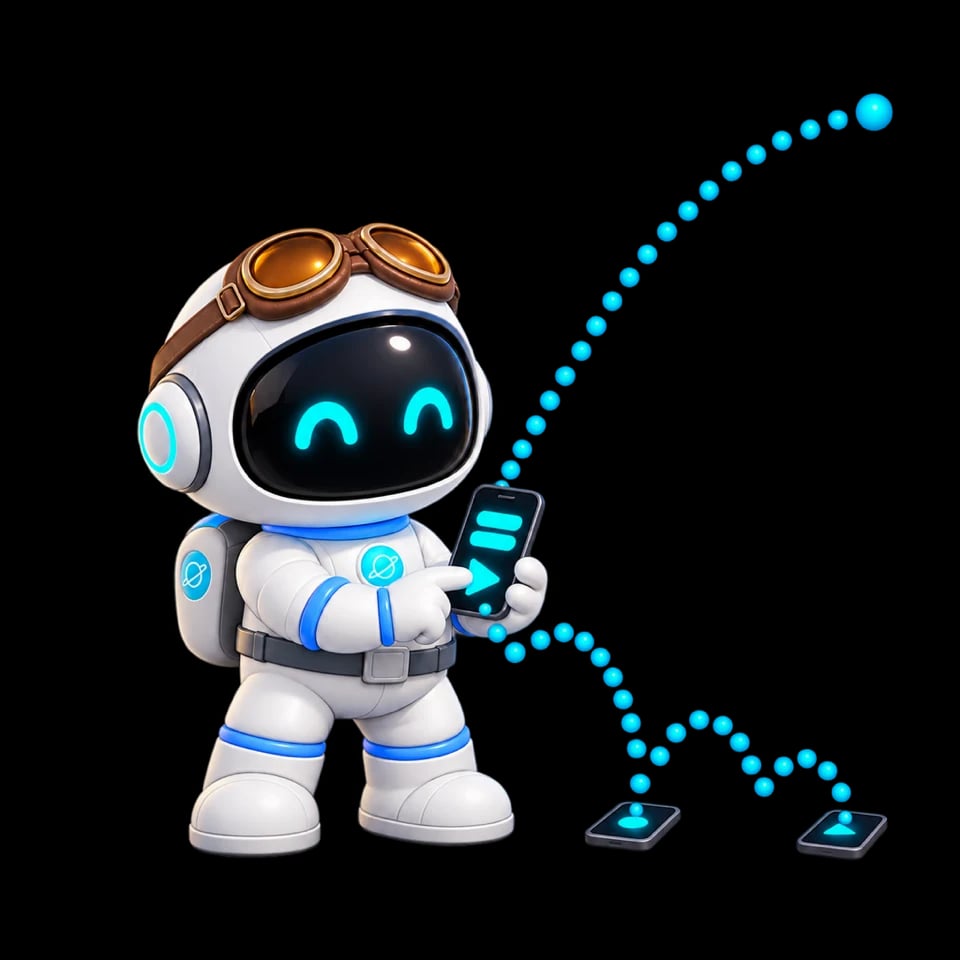
FindTribe tries the internet first. When it is unavailable, it can use a direct LoRa link between two compatible MeshCore pods, and it keeps nearby Bluetooth relays as the local fallback. If no path can reach, the sealed update waits until one does. Messages are marked delivered only when the friend's phone acknowledges them.
Phase 1 connects two pods directly and has no FindTribe repeaters. Phase 2 adds repeaters to build connected coverage across a city. Three pods work today: the Wio Tracker L1 Pro pairs as soon as it is charged; the SenseCAP T1000-E and RAK WisMesh Tag need a one-time five-minute setup on a computer. See which pod to get.
Common questions
Straight answers.
Is LoRa better than Bluetooth for off-grid messaging?
Do I need a LoRa radio to message without signal?
Does FindTribe work with Meshtastic?
What frequency does LoRa use?
Sources
- Bluetooth SIG: Bluetooth technology overview
- Semtech: What is LoRa?
- Meshtastic documentation
- MeshCore on GitHub
- Burners Without Borders: Meshtastic meets Burning Man
Facts about other products are taken from these sources as of the update date above and can change. Spot something out of date? Email felipe@findtribe.ai.
Find your tribe.
Even offline.
Free on iOS and Android.